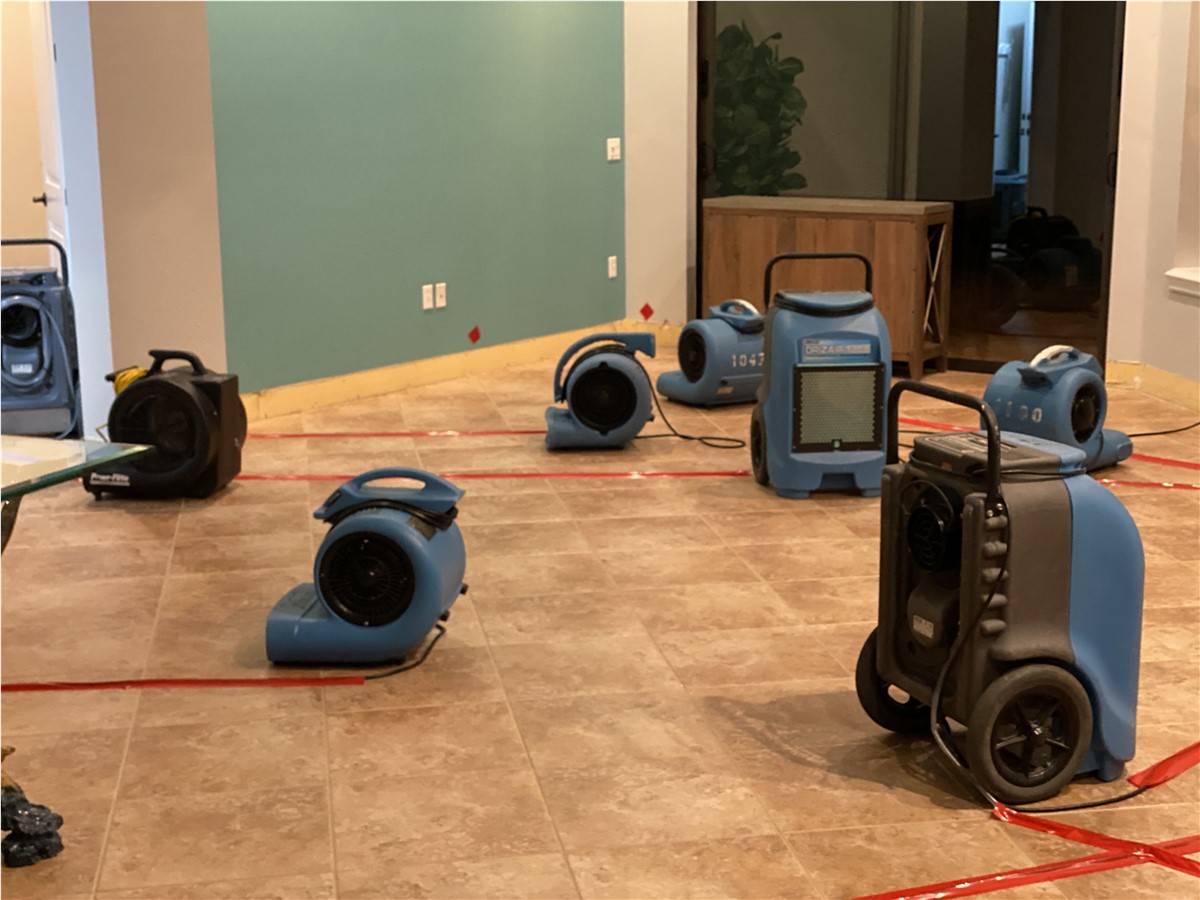
Water damage has a way of showing up when you least expect it. One day everything looks fine, and the next you are dealing with soaked flooring, stained ceilings, or a musty smell that was not there before. In Maryville TN, homes face a mix of weather related risks and everyday plumbing issues that can quietly turn into serious damage if they are not caught early.
Understanding what causes water damage is the first step to preventing it. The earlier you recognize the warning signs, the easier it is to stop the problem before it spreads and turns into a much larger and more expensive situation.
Heavy Rain and Ground Saturation
Maryville sees its share of strong storms and steady rainfall, especially during certain times of the year. When the ground becomes saturated, water has nowhere to go and starts pushing toward your home. This often leads to water seeping into basements, crawl spaces, or through foundation cracks.
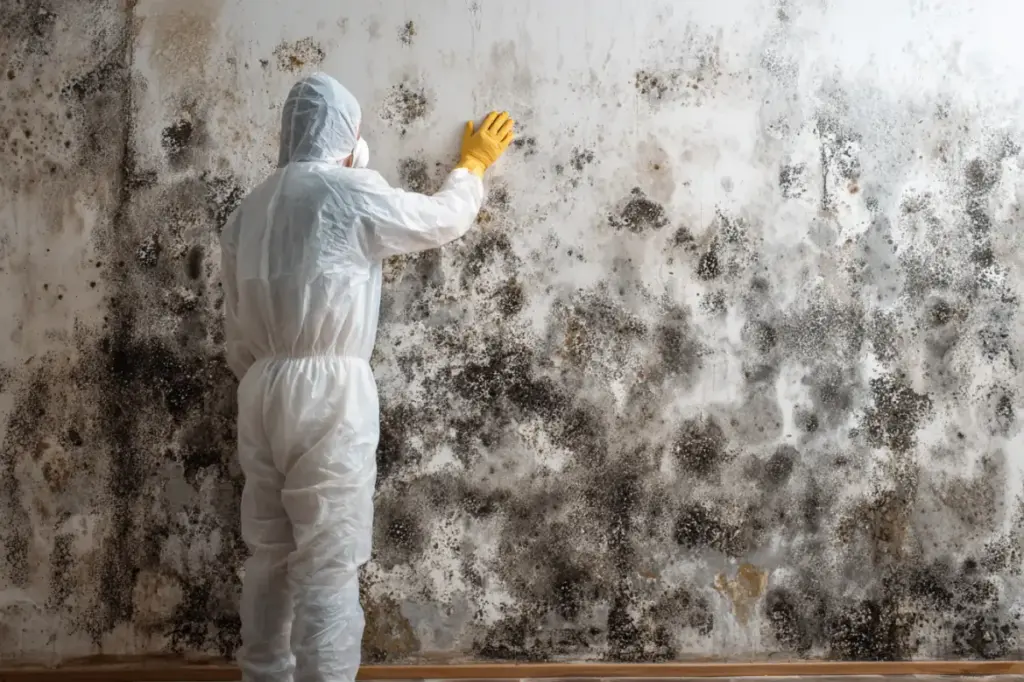
Homes with poor drainage systems or clogged gutters are especially vulnerable. When rainwater is not directed away from the property, it can pool around the foundation and slowly work its way inside. Over time, even small amounts of moisture can lead to structural damage and mold growth.
To prevent this, make sure your gutters are clear and downspouts are directing water far enough away from your home. Checking your grading and making sure water flows away from the foundation can also make a big difference.
Plumbing Leaks and Burst Pipes
Not all water damage comes from outside. In many Maryville homes, the biggest issues start with plumbing. A small leak under a sink or behind a wall can go unnoticed for weeks. During that time, water continues to spread, soaking into drywall, insulation, and flooring.
Burst pipes are another major cause, especially during colder months when temperatures drop. When water freezes inside pipes, it expands and can cause the pipe to crack or burst. Once the ice thaws, water starts flowing and quickly floods the surrounding area.
Regularly checking exposed pipes, monitoring water pressure, and keeping an eye on your water bill for unexpected increases can help catch problems early. Insulating pipes before colder weather hits is another simple step that can prevent major damage.
Roof Leaks and Storm Damage
Your roof is your first line of defense against the elements, but it does not last forever. Shingles can wear down over time, flashing can loosen, and small gaps can form without being obvious from the ground. When storms roll through Maryville, wind and rain can take advantage of these weak points.
Water from a roof leak often travels before it becomes visible. By the time you notice a stain on your ceiling, the damage has already spread through the attic and into other parts of the home. This can lead to wood rot, insulation damage, and even electrical issues if not addressed quickly.
Routine roof inspections and quick repairs after storms can help prevent small problems from turning into major water damage. If something looks off, it usually is.
Appliance Failures and Internal Water Sources
Modern homes rely on appliances that use water every day. Washing machines, dishwashers, refrigerators, and water heaters all have the potential to fail. When they do, they can release a large amount of water in a short period of time.
A worn out hose behind a washing machine or a slow leak under a dishwasher can go unnoticed until it has already damaged the surrounding area. Water heaters are another common source, especially as they age and begin to corrode or develop leaks.
Checking connections, replacing old hoses, and keeping an eye on appliances for signs of wear can help reduce the risk. It is also worth knowing where your main water shut off valve is located so you can act quickly if something goes wrong.
Clogged Drains and Sewage Backups
Clogged drains may seem like a minor issue, but they can quickly escalate. When water cannot flow properly through your plumbing system, it starts to back up. In some cases, this can lead to water or sewage coming back into sinks, tubs, or floor drains.
This type of water damage is especially serious because it introduces contaminants into your home. It is not just about drying things out, it is about making sure the space is properly cleaned and safe again.
Avoid pouring grease or debris down drains and address slow drainage before it turns into a full blockage. If you notice unusual smells or recurring clogs, it is a sign that something deeper in the system needs attention.
Early Warning Signs You Should Not Ignore
Water damage rarely appears all at once. It usually gives off warning signs if you know what to look for. Musty odors, peeling paint, warped flooring, and discoloration on walls or ceilings are all indicators that moisture is present where it should not be.
You might also notice an increase in humidity inside your home or see condensation forming on windows more often than usual. These small changes can point to a hidden issue that needs to be addressed before it spreads further.
Catching these signs early can save you time, money, and stress. Waiting usually makes the situation worse.
How to Stop Water Damage Before It Gets Worse
Preventing water damage in Maryville homes comes down to staying aware and taking action when something seems off. Regular maintenance plays a huge role. Cleaning gutters, inspecting your roof, checking plumbing connections, and servicing appliances all help reduce risk.
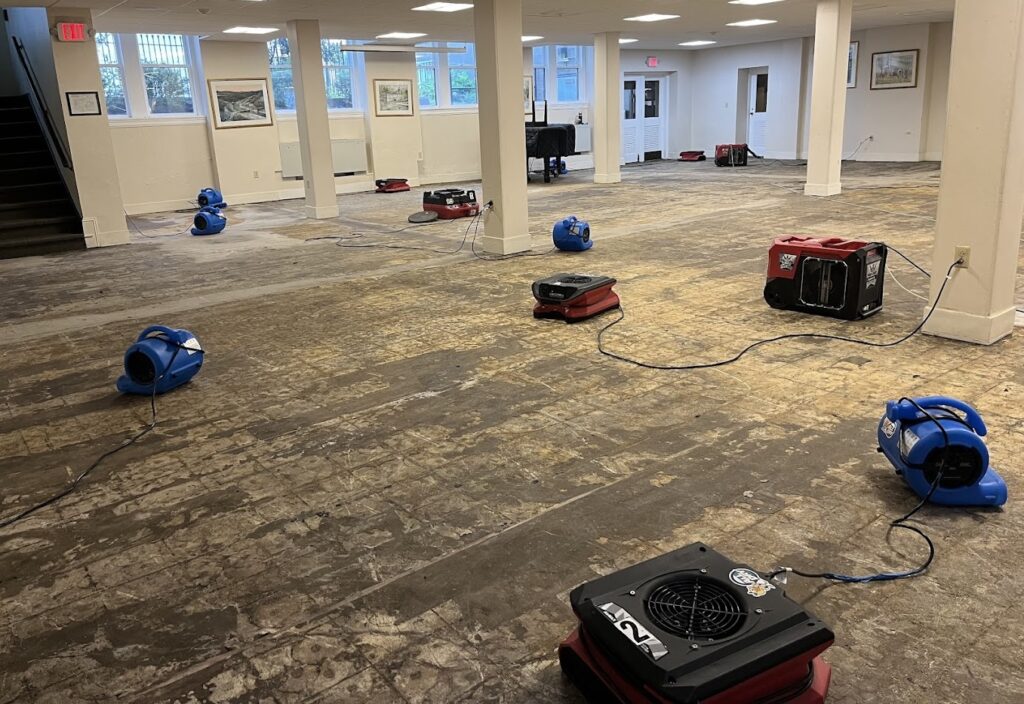
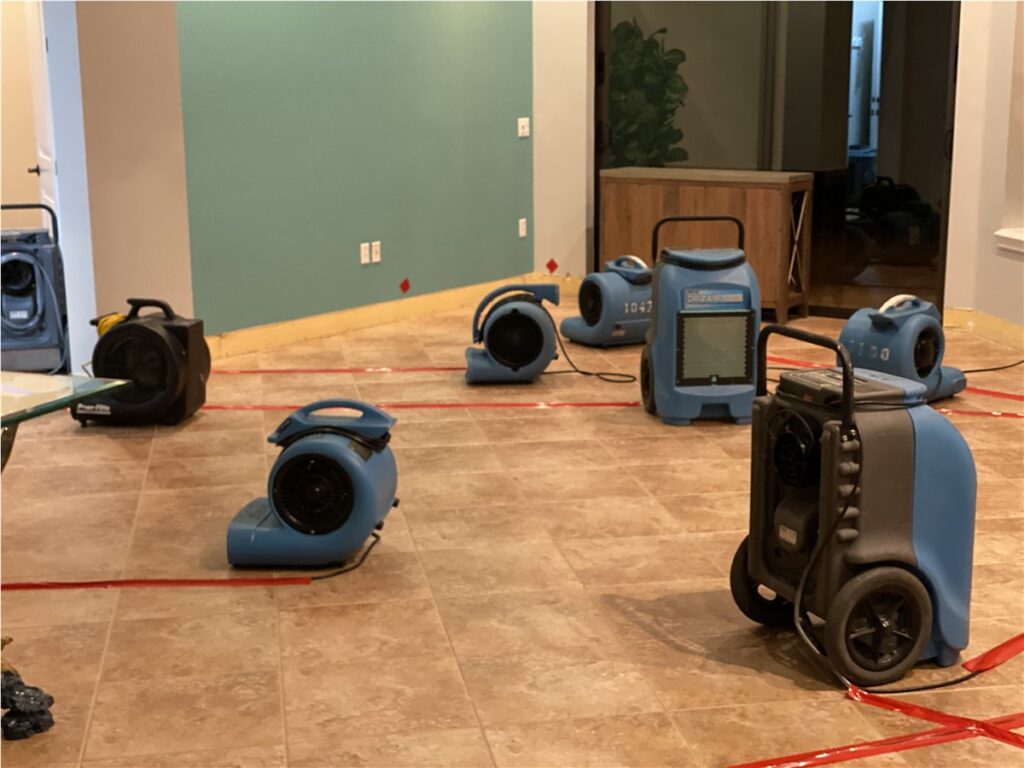
It is also important to act quickly when a problem does come up. The longer water sits, the more damage it causes. Materials absorb moisture, mold can begin to grow, and structural components can weaken.
Having a plan in place makes a difference. Knowing who to call and what steps to take can help you respond faster and limit the impact.
Final Thoughts
Water damage is one of the most common issues homeowners face in Maryville TN, but it is also one of the most preventable when you know what to watch for. Whether it comes from heavy rain, a hidden leak, or a failing appliance, the key is catching it early and handling it the right way.
Staying proactive, paying attention to changes in your home, and addressing small issues before they grow can keep your property in a strong and stable condition. When water damage does happen, quick action is what keeps it from turning into something much bigger.