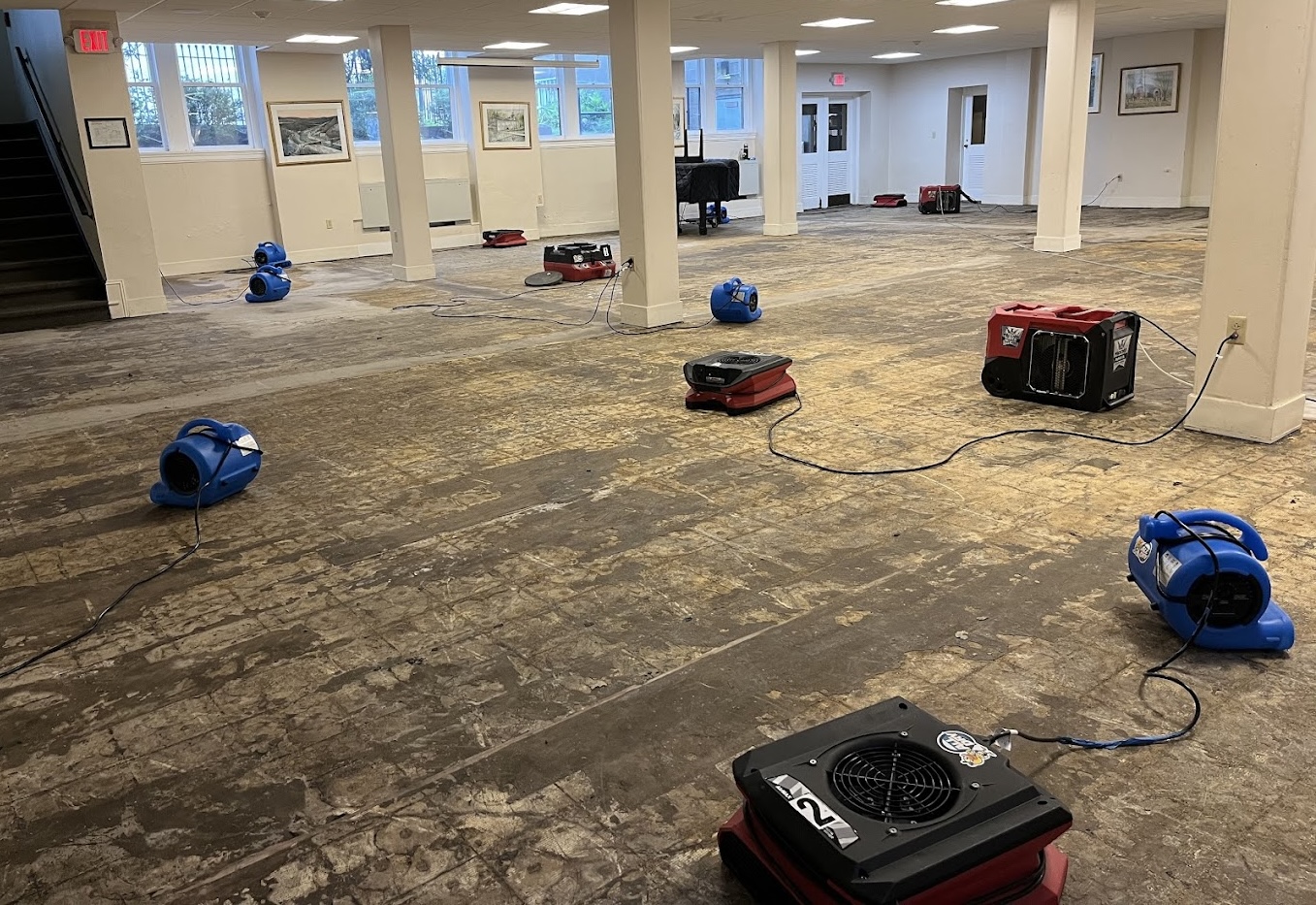
Water damage does not wait for you to figure things out. The moment water enters your home, it starts moving, soaking into materials, spreading behind walls, and creating problems that get worse by the hour. In Maryville TN, where storms, plumbing issues, and humidity all play a role, water damage can escalate faster than most homeowners expect.
Knowing how quickly it spreads and what to do in the first 24 hours can make the difference between a manageable cleanup and a full scale restoration project. The timeline matters more than people think.
The First Hour What Is Happening
Within minutes, water begins to spread across floors and into anything it can reach. Carpet absorbs it almost immediately, wood starts to swell, and drywall begins pulling in moisture from the bottom up. If the source is still active, the damage keeps expanding without stopping.
This is the moment where action matters most. Shutting off the water source if possible is the first priority. The longer water continues flowing, the more areas it reaches and the harder the cleanup becomes.
The First Few Hours Damage Starts Setting In
After a few hours, the damage becomes more serious. Water begins to soak deeper into materials like insulation, subflooring, and framing. Furniture absorbs moisture, and anything porous becomes harder to fully dry.
At this stage, you may not see the full extent of the damage yet, but it is already happening behind the scenes. Moisture can move through walls and into adjacent rooms, even if the surface still looks normal.
Removing standing water as quickly as possible and starting the drying process early can limit how far the damage spreads.
12 to 24 Hours The Risk Increases
By the time you reach the 12 to 24 hour mark, conditions inside the home start to shift. Materials remain saturated, and the environment becomes more humid. This creates the perfect setting for further deterioration.
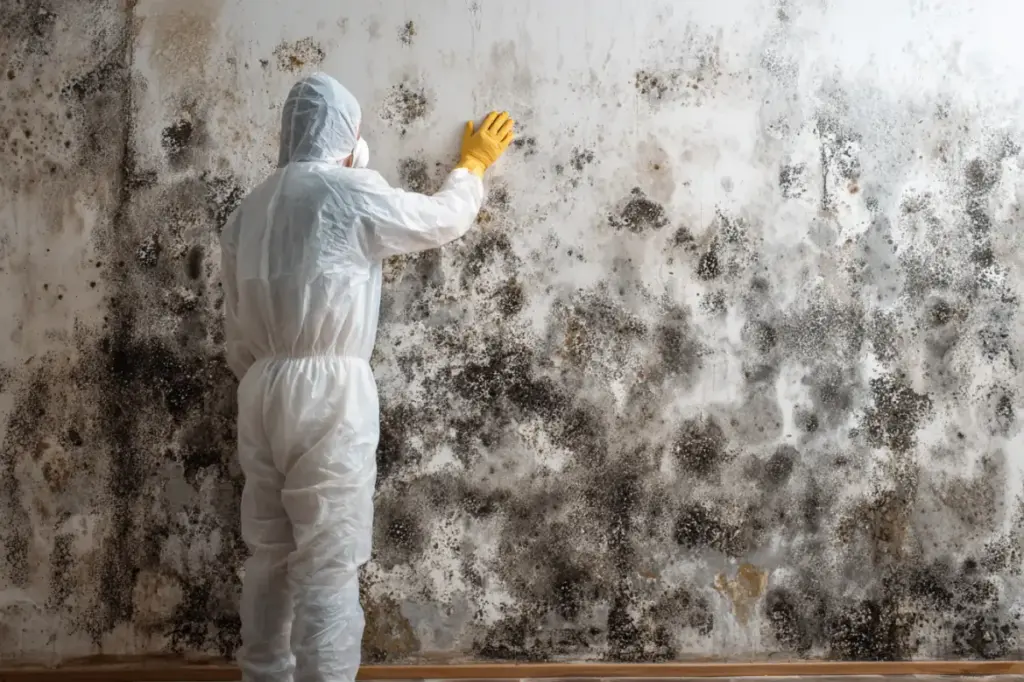
Wood can begin to warp, drywall softens, and odors may start to develop. While mold may not be fully visible yet, the conditions that allow it to grow are already in place. Waiting beyond this point significantly increases the difficulty of restoring the property.
This is why quick response is not just helpful, it is necessary.
What You Should Do Immediately
The first step is always to stop the source of the water if it is safe to do so. This might mean shutting off the main water supply or addressing a leak. If the damage is from outside sources like storm water, focus on preventing more water from entering the home.
Next, remove as much standing water as possible. Towels, mops, or a wet vacuum can help in the early stages, but larger amounts of water usually require professional equipment to fully extract.
Moving furniture and valuables out of affected areas can also reduce damage and make the drying process easier.
Start Drying Right Away
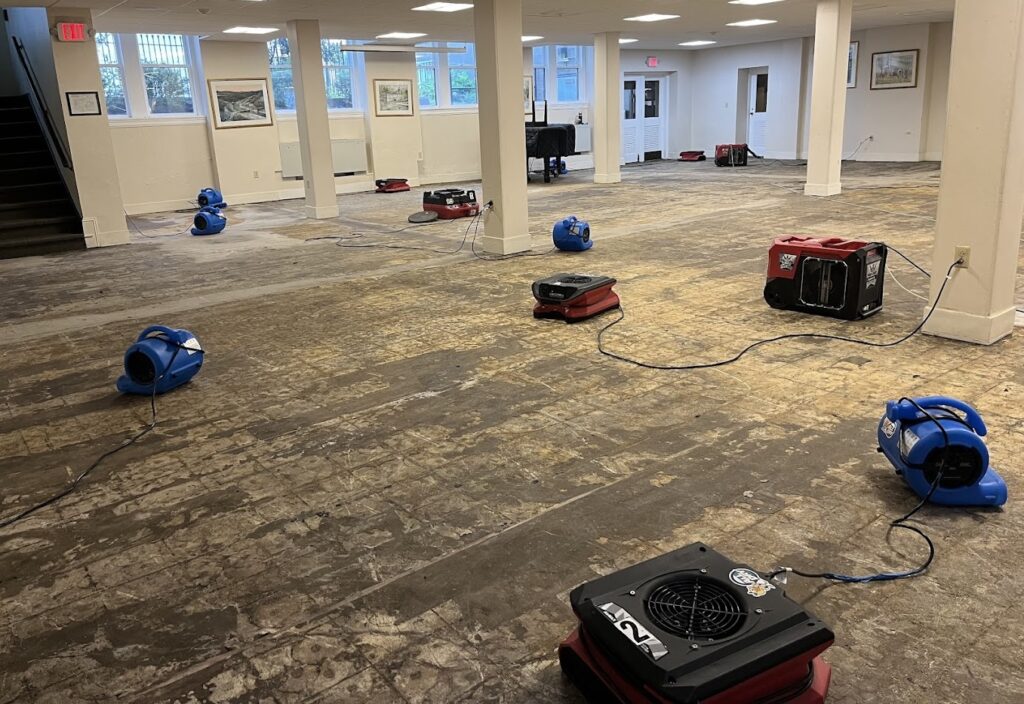
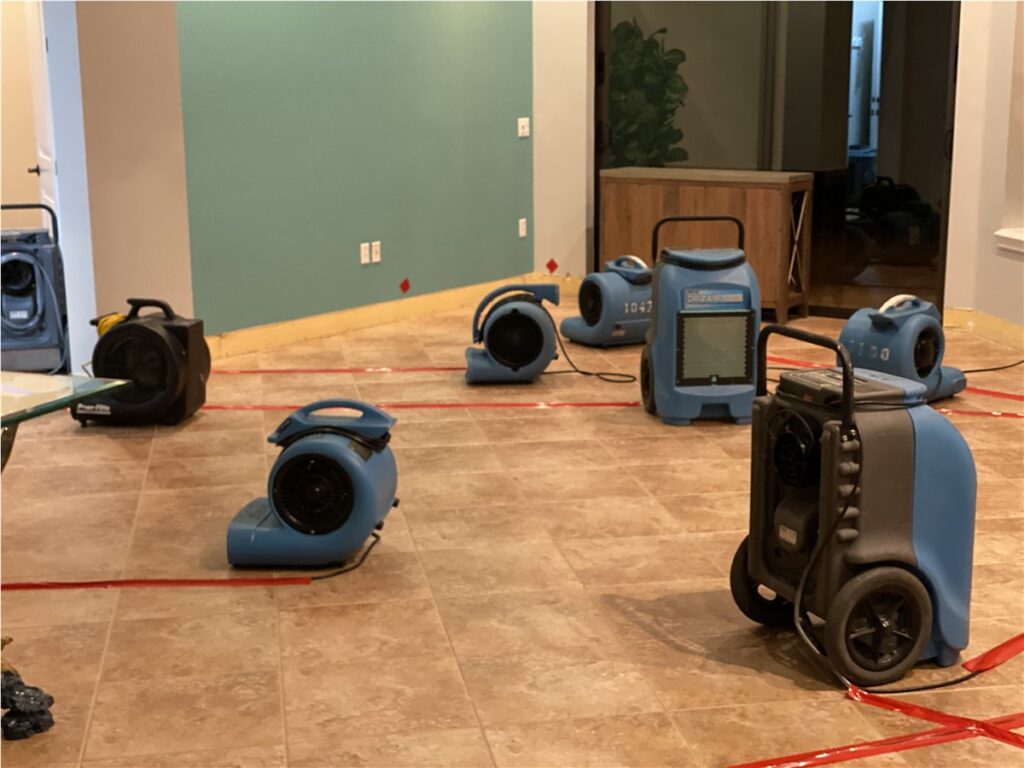
Drying should begin as soon as possible. Air movement and moisture removal are key to stopping further damage. Opening windows, using fans, and running dehumidifiers can help, but they are often not enough for larger or hidden moisture issues.
Water does not just sit on the surface. It gets into materials and stays there unless it is properly removed. Without the right equipment, moisture can remain trapped and lead to long term problems.
Why Professional Help Matters
Water damage is not always visible. What you see on the surface is often only part of the problem. Moisture can spread under flooring, behind walls, and into structural components without obvious signs.
Professional restoration teams use moisture meters and thermal imaging to locate hidden water and make sure everything is properly dried. They also use industrial equipment designed to handle larger volumes of water and reduce drying time.
In Maryville TN, where humidity can slow down natural drying, having the right tools and process makes a significant difference.
What Happens If You Wait Too Long
Waiting to address water damage almost always leads to more serious issues. Materials break down, odors become stronger, and the overall condition of the home worsens. What could have been a smaller cleanup turns into a more involved restoration.
The longer water sits, the more it spreads. It is not a problem that stays contained. It moves, it absorbs, and it creates new areas of damage if it is not handled quickly.
Final Thoughts
Water damage spreads faster than most people realize, especially in a Maryville TN home where weather and humidity play a role. The first 24 hours are critical. Acting quickly, removing water, and starting the drying process early can significantly reduce the impact.
When in doubt, it is always better to move fast than to wait and hope it dries on its own. Water does not fix itself. It either gets handled properly or it turns into a bigger problem.